Libraries offer early childhood education, summer reading and after school programs

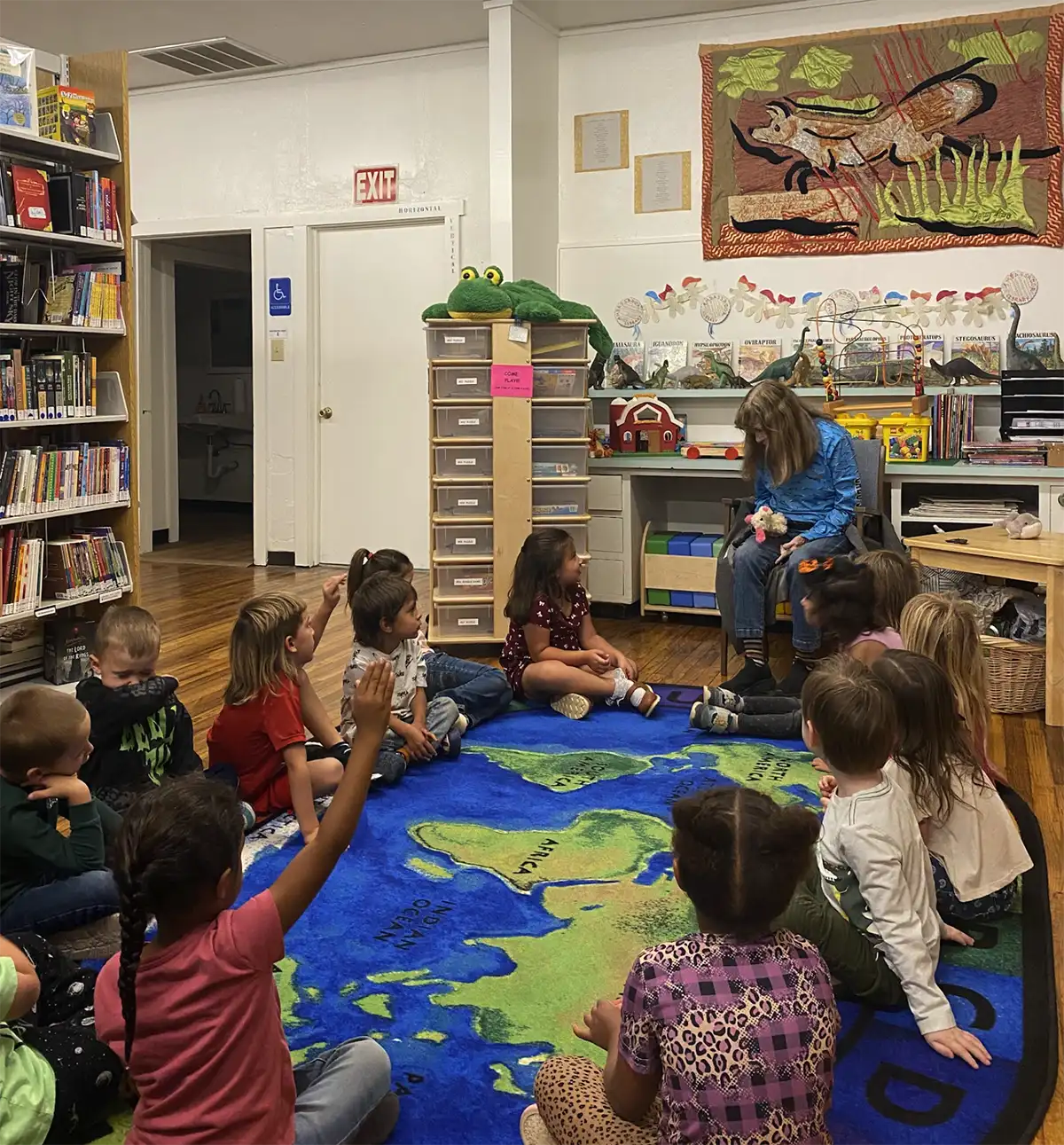
Every week a bus drives preschool classes from Rocking Horse Learning Center to the Carrizozo Community Library and Archive for BookNook. The interactive storytime program promotes early childhood literacy through story, song, and dance. And each month students participate in WonderLab, a STEM program that integrates science, technology, engineering, and math into everyday materials.

Libraries provide access to basic needs and emergency response during crises.

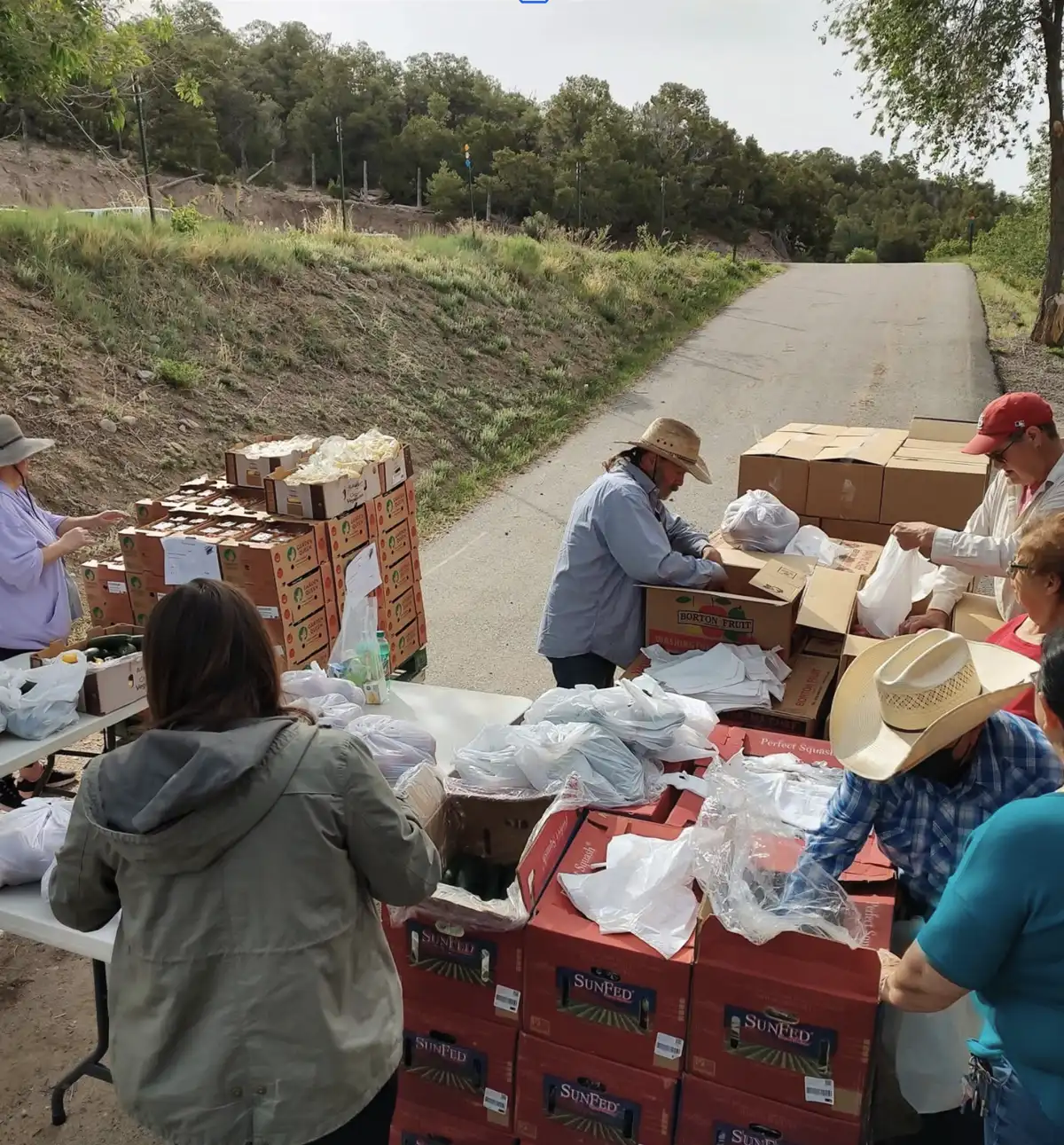
The Ojo Sarco Community Center and Library (OSCCL) addresses hunger by distributing food to more than 50 families twice a month. The OSCCL facility has solar panels and battery backup acting as a designated community resiliency site in the case of power emergency. The library also led local COVID-19 protocols, demonstrating leadership and responsiveness amidst a public health crisis.

Libraries support job seekers and entrepreneurs

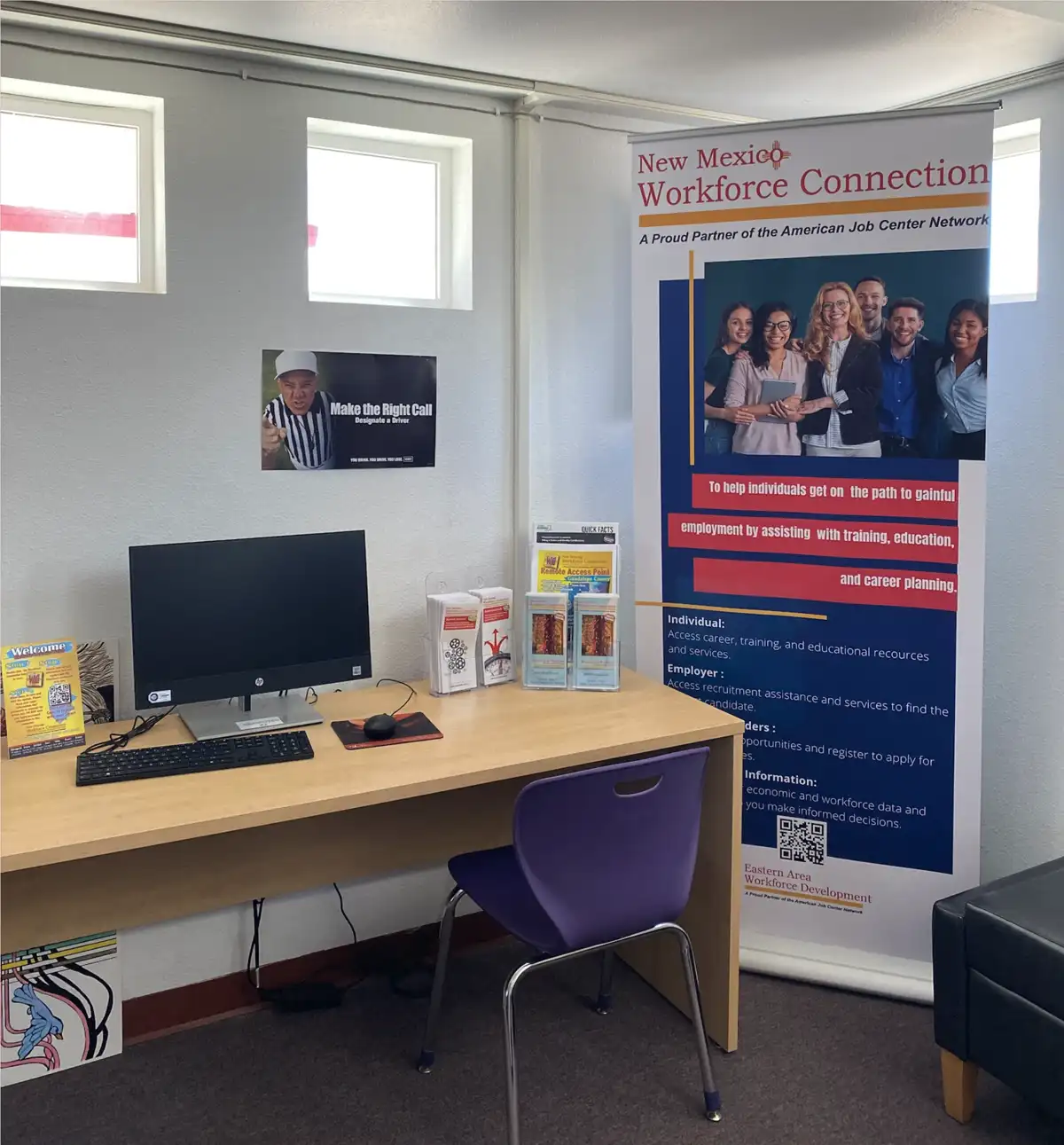
On-site at the David F. Cargo El Valle de Anton Chico Library is a New Mexico Workforce Solutions kiosk. The Workforce Connections kiosk is a crucial resource for those researching local job opportunities or filing an unemployment claim. Like many libraries, Anton Chico assists patrons with resume writing and navigating digital applications.

Libraries host health-related workshops and telehealth meeting spaces

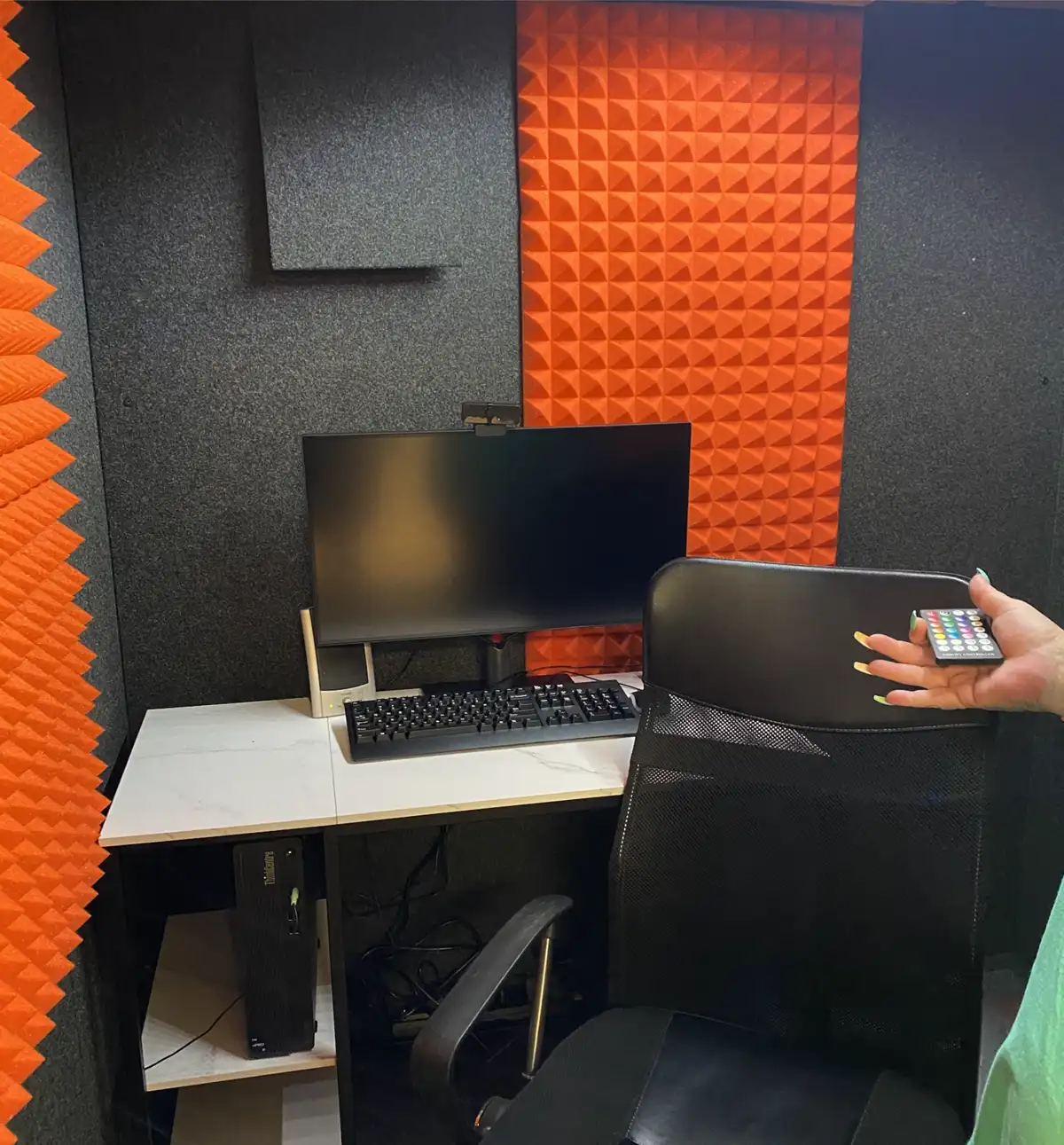
Residents of Fort Sumner do not have access to a hospital and must drive more than 150 miles, or over 3 hours to either Albuquerque or Lubbock, TX to seek treatment from specialists. A USDA-funded project facilitated by the NM State Library and UNM Health Sciences Center has installed private meeting booths (see left image) at 7 public libraries as of February, 2026. Beyond telehealth access, Fort Sumner Public Library provides weekly movement classes, flu shot clinics, and legal workshops on issues related to death/dying.

Libraries preserve local culture, traditions, and history.

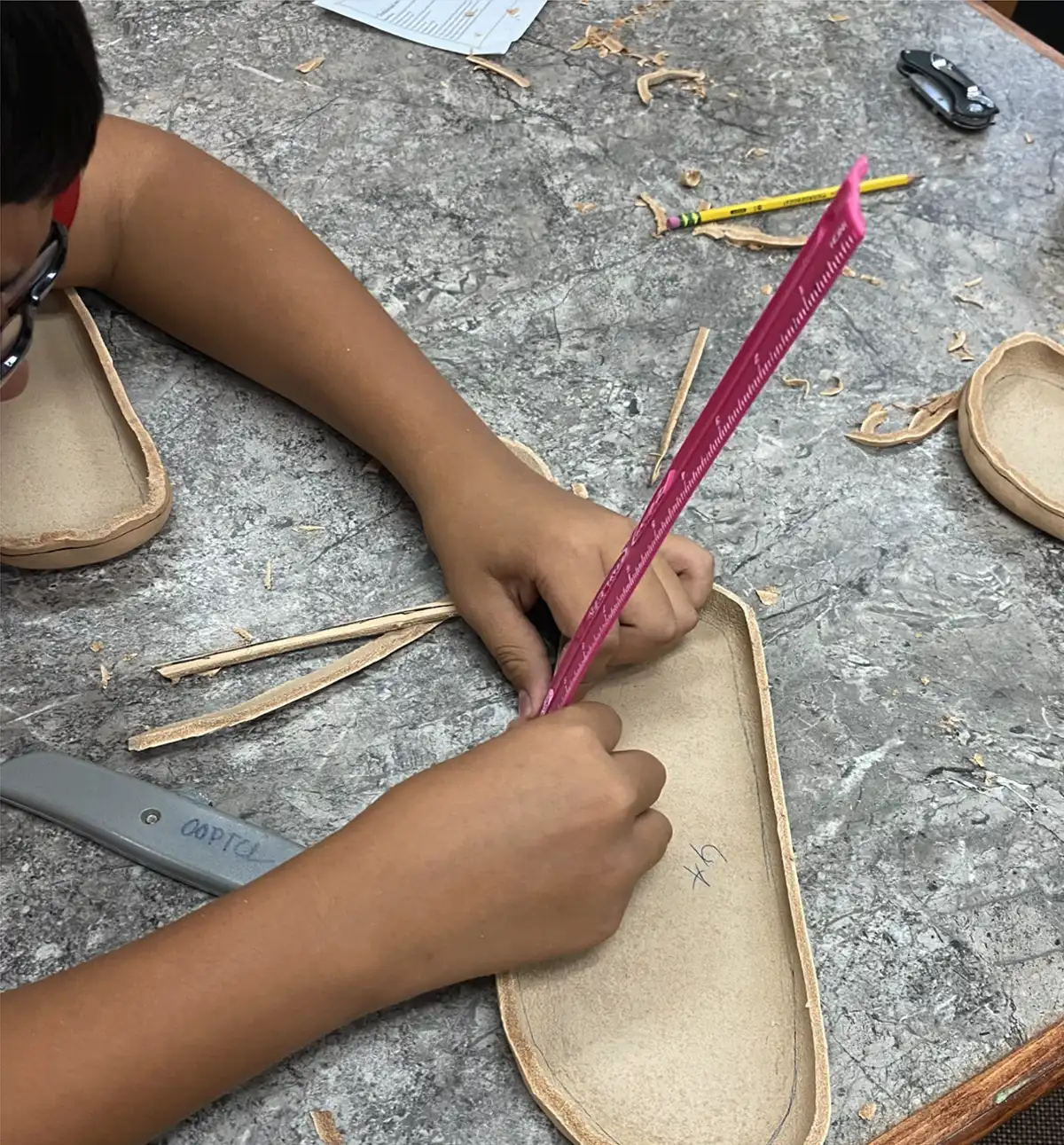
The P’oe Tsáwä Community Library in Ohkay Owingeh provides a rich array of cultural workshops in traditional crafts and cooking. The library held a moccasin making workshop (image on right) along with other activities such as pottery, regalia, and atole making. Tewa language classes hosted by the library reinforce the importance of preserving and celebrating Indigenous identity.

Libraries are more than books

New Mexico's rural libraries are community lifelines. Here are some of the ways libraries serve, sustain and engage their communities:

• Early childhood education, summer reading and after school programs.
• Public computers and free internet service.
• Adult and senior programs, mobility classes, author talks, and movie nights.
• Local cultural and historical preservation.
• Support for job seekers and entrepreneurs.
• Access to basic needs and emergency response during crises.
• Help navigating government systems such as Medicaid/Medicare, Social Security, Veterans Services, LIHEAP, income taxes, and more.
• Notary, print/copy and fax services.
• Health-related workshops and telehealth meeting spaces.
• Books and essential information for everyone.
• A safe gathering space for community discussions and civic engagement.